.svg)

An advocacy project initiated by Mr. Leo Martinez, Sine Wikain is a short film competition with the goal of reminding Filipinos of the age-old teachings, the salawikain (proverbs).
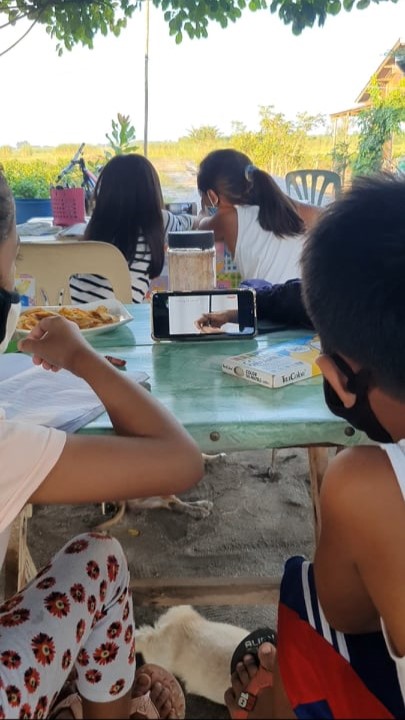
I was tasked to come up with a concept of an online competition that would engage people from all ages to participate from their homes at the height of the pandemic in 2020.
* All publicity materials were made by the Creatives Unit of FDCP
This was introduced at the height of the pandemic in 2020 when strict community quarantines were in effect in the country. It was launched in August in celebration of Buwan ng Wika and was concluded in September at the celebration of 100 years of Philippine Cinema.
The plan was to introduce this as an online challenge to propagate the advocacy and encourage people to use their smartphones and their time while in community quarantine in doing something entertaining.
To make the challenge simple and entice everybody to join, I set the parameters to smartphones only. Limiting any filmmaking contest to a smartphone provides a level-playing field, lessens the intimidation, and encourages anybody who has one.


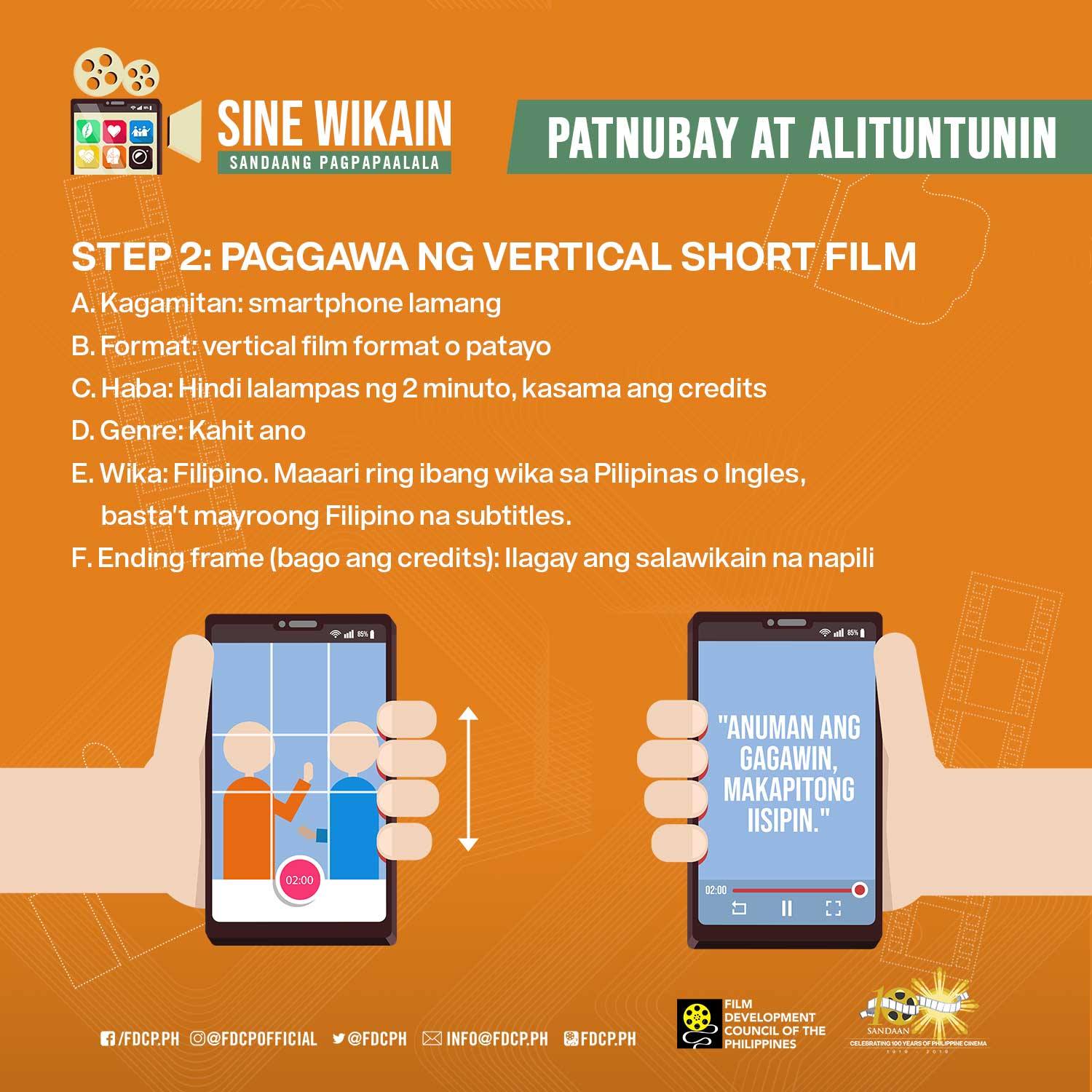

Anybody can join and make a one-minute vertical short film based on any of the salawikain they picked from the list of 100 salawikain that FDCP posted. Thus, the challenge was called Sine Wikain: Sandaang Pagpapaalala (SineWikain: One Hundred Reminders)
They must post the film on social media with #SineWikainChallenge. Prize amounting to Php 15,000.00 and more were allotted per category.
At the end of the online challenge, we have received 216 entries from different parts of the country and, to our delight, some from Overseas Filipino Workers (OFWs) from all over the world.
We shortlisted 20 finalists per category, from which we selected the winning films that were screened at the Sine Sandaan: The Next 100, celebration of the closing of the Philippine Cinema Centennial.
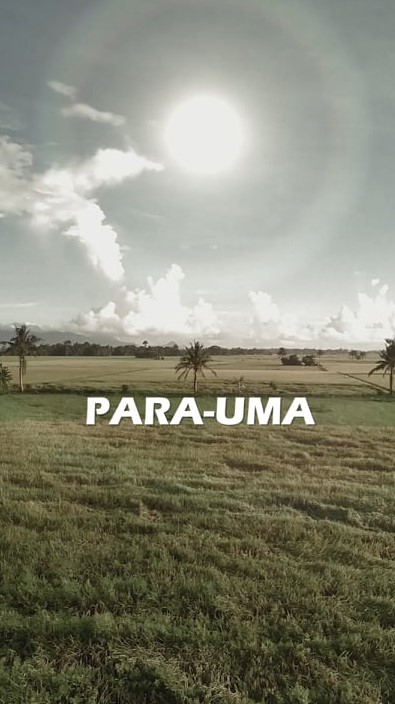
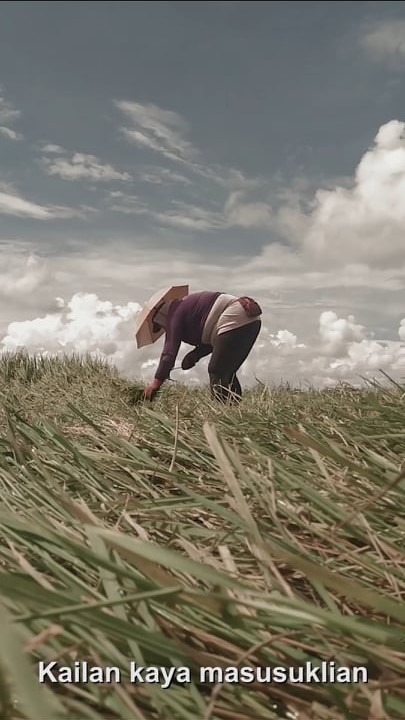
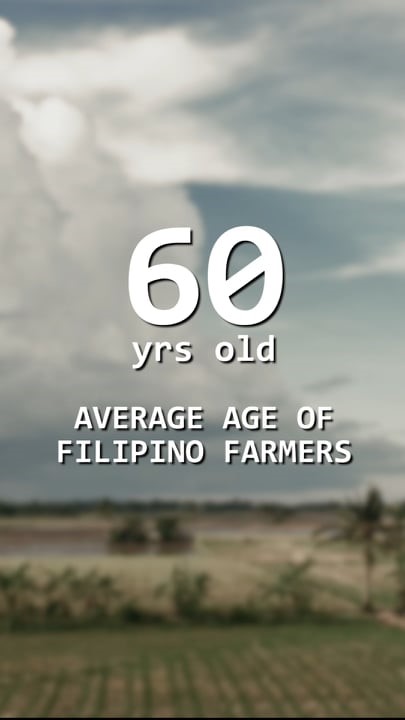
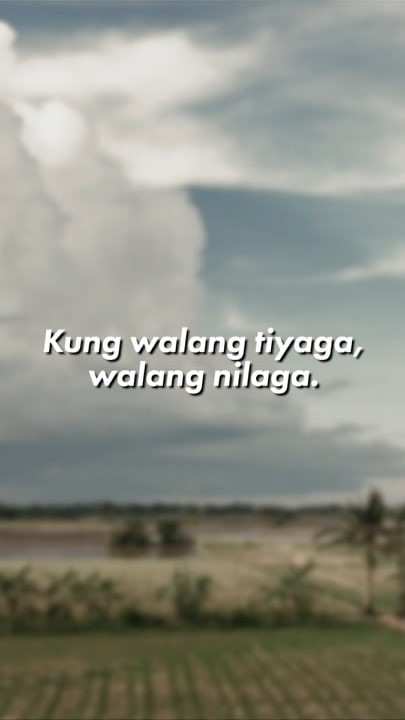
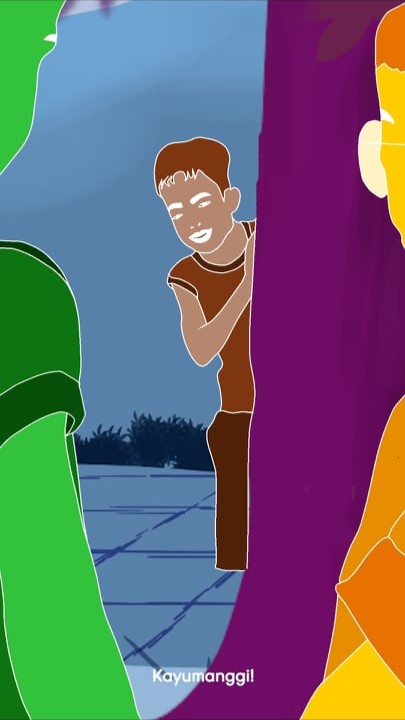
Below are stills of some of the winning films: Para-uma (Magsasaka) by John Kenneth Paclibar; Tipun (Ipon) by Thenney Jhenz Fajardo; and Maris (Kulay) by John Gabriel Gantalla.